Gardening Morden: Recycling and Sustainability for Our Green Spaces
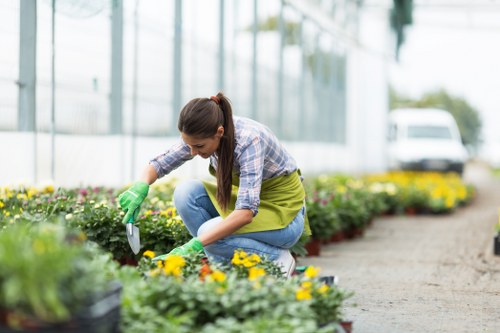 Gardening Morden is committed to building an eco-friendly waste disposal area and a long-term plan for a sustainable rubbish gardening area that supports neighbourhood biodiversity and reduces landfill. Our local programme is designed to complement the borough's wider recycling and waste separation approach, working with household green waste collections, food waste streams and mixed dry recycling. By focusing on on-site composting, careful separation of materials and community reuse, Gardening Morden aims to set a practical example of neighbourhood recycling & sustainability.
Alongside community planting and habitat projects, we place equal importance on responsible waste handling. Our work includes segregating green waste, wood, soil, and reuseable materials at source so that organic matter can be returned to the soil as compost rather than being sent to incineration. These measures reduce carbon emissions from transport and disposal and create local circular systems: mulch and compost for community beds, reclaimed timber for raised beds, and textiles or pots passed on for reuse.
 We have set a clear recycling percentage target to measure progress: an initial goal of 60% recycling of gardening-related waste within three years, rising to 70% by 2030. This target covers green waste, food waste diverted to community composting, and materials recovered for reuse or recycling. The target aligns with the borough approach to waste separation, which emphasises separate streams for organic waste, mixed recyclables and residual waste, enabling more efficient onward processing at local facilities.
Local Transfer Stations and Low-Carbon Logistics
 To keep our footprint small and efficient, Gardening Morden uses local transfer stations for consolidated loads of green and recyclable materials. We work closely with the borough's transfer point and neighbouring facilities so that materials are passed on to specialist processors quickly. Where possible we prioritise short transfers to local transfer stations to avoid long-haul journeys, improving the carbon profile of our waste handling.
 A core part of our operations is a transition to low-carbon vans and sustainable transport: electric and hybrid vans for collections, cargo bikes for short trips, and consolidated loads to minimise vehicle movements. Our low-emission fleet reduces local air pollution and noise while maintaining reliable collection services for community gardens, allotments and planting projects. We also stagger collections to optimise route efficiency and reduce emissions per tonne of material moved.
Partnerships with Charities and Community Reuse
We partner with local charities and community organisations to give materials a second life: surplus soil and compost go to community allotments; usable pots, tools and timber are redirected to reuse charities; and plants or propagated cuttings are shared with neighbourhood groups. These partnerships create tangible social value and reduce the demand for new resources. Working with voluntary groups, food redistribution charities and reuse networks strengthens our circular approach and supports those in need.Our recycling and sustainability work also includes educational community events (not how-to guides) and awareness campaigns about the borough's separation schemes so volunteers and neighbours understand what goes where — for example, which items belong with garden waste, which should go in food waste collections, and what belongs with dry mixed recycling. This alignment helps maximise capture rates for valuable materials and cuts contamination, a key factor when materials reach local transfer stations and processing plants.
We maintain a practical list of accepted materials and recovery priorities to support on-site decision-making. Key focus items include:
- Green waste (grass cuttings, prunings and small branches) for community compost and mulches;
- Wood and timber for reuse in raised beds and structures;
- Plastic pots and trays sorted for recycling where accepted by the borough;
- Soil remediation and reuse to reduce the need for new topsoil deliveries.
Measuring our success is vital: we track tonnages diverted from landfill, monitor compost yields, calculate emissions saved through our low-carbon vehicles and estimate the value of reclaimed materials passed to charities. These metrics feed into our annual sustainability statement, offering transparent reporting on our recycling percentage targets and demonstrating continuous improvement. Gardening Morden believes that a resilient, eco-conscious approach to waste — combining an eco-friendly waste disposal area and a thriving sustainable rubbish gardening area — benefits the environment and the community alike.
Longer-term plans include expanding onsite compost bays, increasing partnerships with regional transfer stations for specialist recycling streams (like bulky green waste processors), and further electrifying our fleet. By keeping logistics local, strengthening charity partnerships and following the borough's waste separation framework, Gardening Morden aims to be a scalable model for urban community horticulture that closes resource loops, reduces carbon and champions reuse.
In summary, our Recycling and Sustainability policy for Gardening Morden sets ambitious but achievable targets, works with local transfer stations and charities to maximise reuse, and invests in low-carbon vans and sustainable transport. By doing so we create a reliable, community-led eco-friendly waste disposal area and a practical, thriving sustainable rubbish gardening area that keeps materials in productive use and out of landfill.